
Fashion acts as a form of self-expression for most people. While the fashion industry has flourished through human intuition and creative vision, the volume scale has held it back. This has made CX the primary catalyst in introducing AI in Fashion. While this vertical continues to make Fashion easier and more accessible, AI as a whole is getting integrated further more into the fashion industry.
AI is now not only being adopted to fix logistical issues; it is also working as a creative partner, imbedding itself as a core feature from creating to distributing fashion. Tools like Generative AI can now assist fashion industries beyond logistics and can contribute to the creative vertical as well. McKinsey says that generative AI could help the fashion industry make up to $275 billion more in profits.
While use of Generative AI in fashion is being implemented, Conversational AI and machine learning is already playing a big part in redefining how fashion is communicating to the world. These different AI tools collectively make the customer experience faster, better and more personal. They can not only assist in delivery queries but also help customers find what they are looking for and even suggest products they'll actually like.
- Efficiency at Scale: Automating repetitive FAQs reduces agent workload and minimises the need for large support teams.
- Elevated Human Roles: With AI handling the basics, human agents can pivot to complex cases requiring deep empathy and nuanced problem-solving.
- Unified Omnichannel Presence: Platforms like Nugget synchronise interactions across chat, email, voice, and social media, providing a frictionless experience without constant human intervention.
- Visual Search: Users can snap a photo of any outfit to instantly find identical or similar items, removing the friction of manual searching.
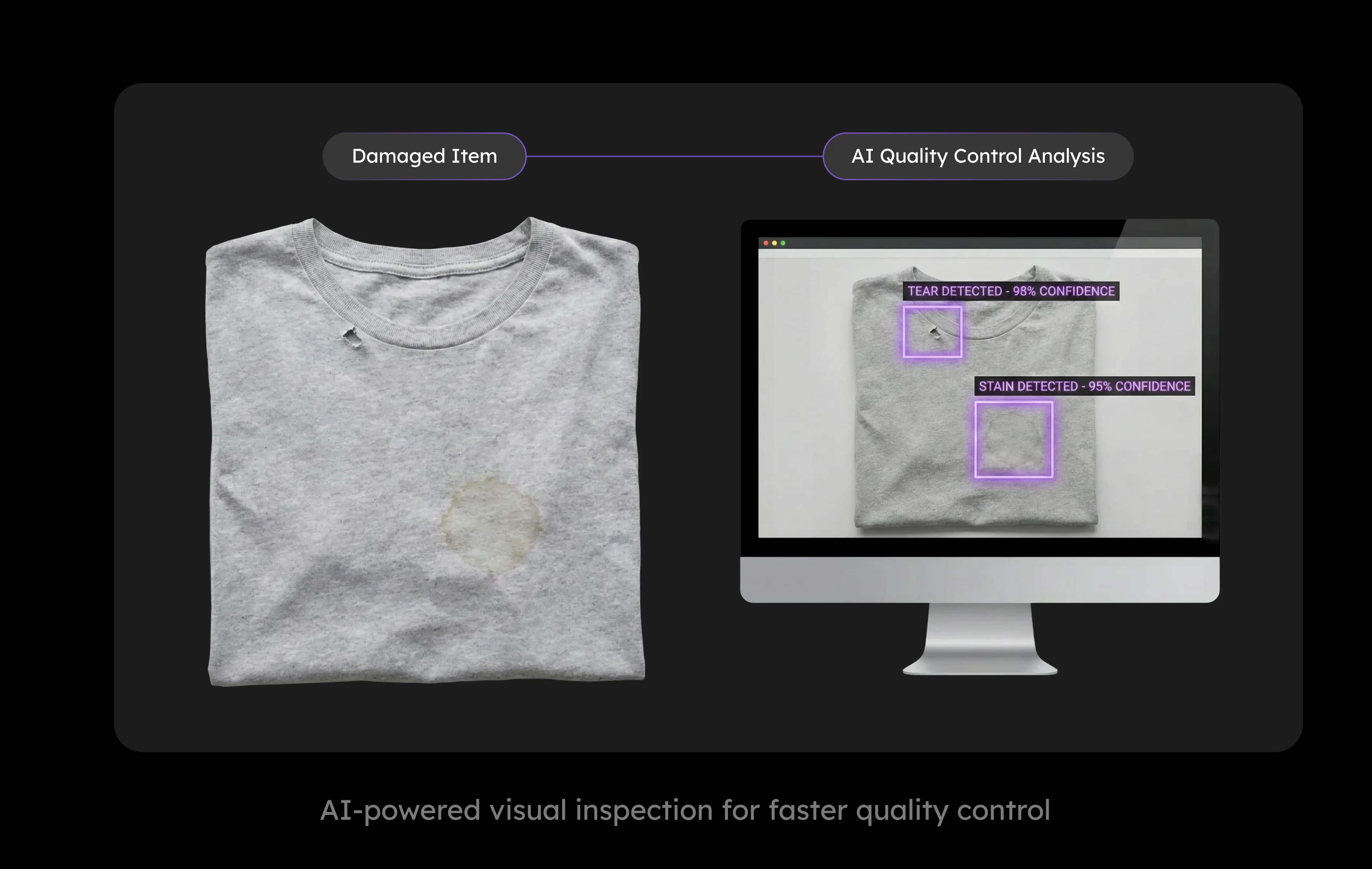
- AI-Powered Quality Control: If a customer receives a faulty item, they can simply upload a photo for instant defect detection (such as stains, tears, or sizing errors), drastically accelerating the return and exchange process.
- Instant Discovery: Rapidly identify products a customer wants to buy from a single image.
- Pre-Shipment Audits: AI spots defects before items leave the warehouse, significantly lowering return rates.
- Rapid Refunds: Image analysis automates problem verification, ensuring faster customer reimbursements.
- Unified Identity: Consolidating fragmented data into a single, holistic customer profile.
- Sentiment Intelligence: Decoding customer moods to adjust interactions instantly.
- Anticipatory Styling: Providing proactive, data-driven advice that feels like a personal fashion helper.
- Seamless Omnichannel Experience: Marketing, sales and support teams access the same context, ensuring a consistent journey across all platforms.
- Frictionless Support: Customers no longer need to repeat their history, as AI agents and human staff already have the full story.
- Precision Targeting: Eliminates irrelevant marketing by aligning outreach with actual customer intent and preferences.
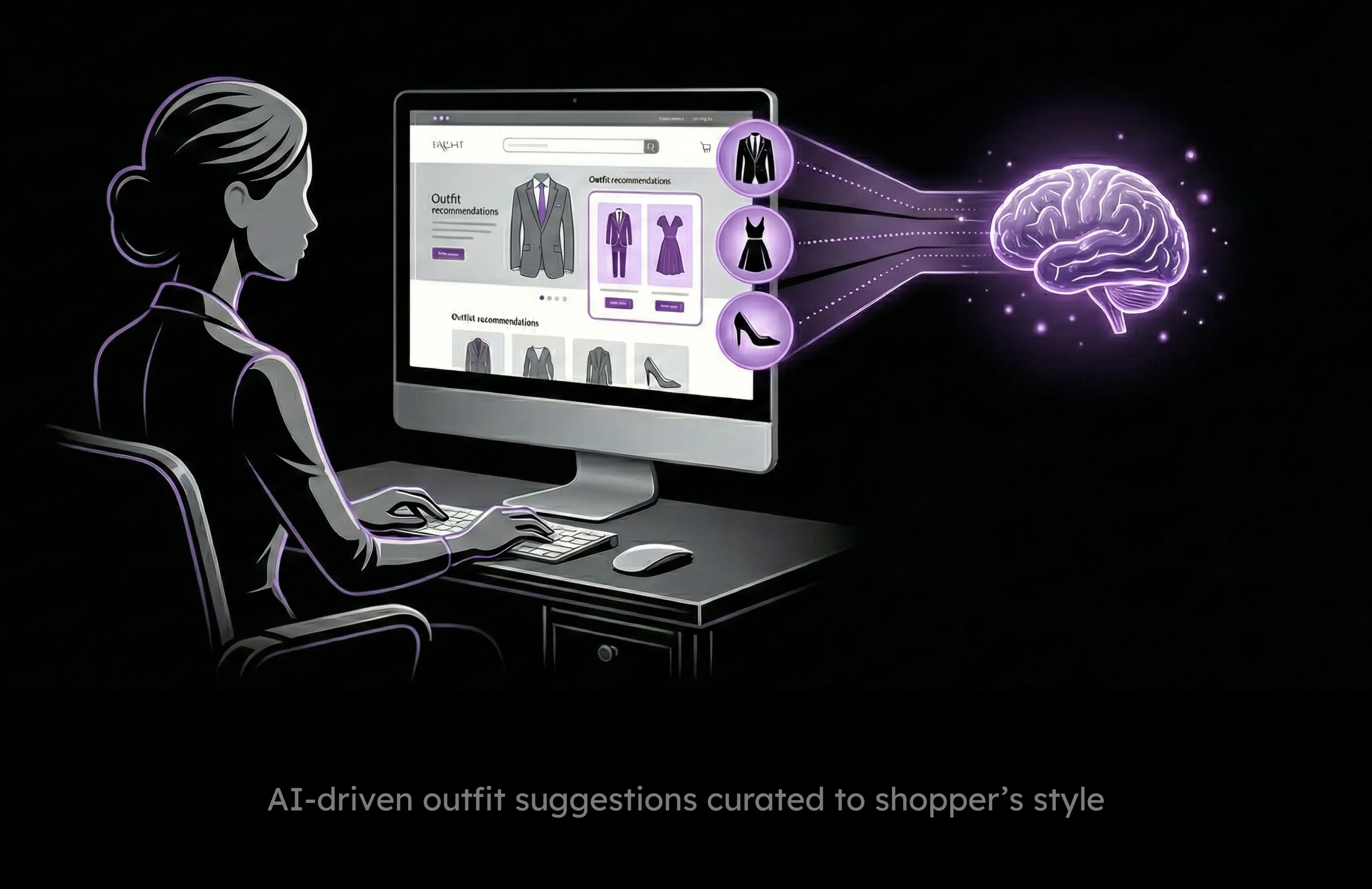
- Digital Personal Stylists: Beyond simple links, AI suggests complete outfits and descriptions tailored to individual tastes.
- Hyper-Targeted Outreach: Emails and recommendations transition from "trending items" to data-backed suggestions based on your specific fashion DNA.
- Real-Time Escalation: If a user's tone indicates frustration, AI can instantly hand off the conversation to a human specialist for empathetic resolution.
- Dynamic Engagement: When excitement is detected toward a specific style, the system proactively suggests complementary items to capitalise on that positive momentum.
- Adaptive Brand Voice: AI moves beyond rigid scripts, adjusting its tone and messaging to match the user's mood. This helps in fostering a deeper, more personal connection with the brand.
- Ralph Lauren: The "Ask Ralph" tool builds complete, ready-to-buy looks through conversational AI.
- Stitch Fix: Uses feedback loops and deep data insights to curate highly personalised clothing selections.
- Warby Parker: Leverages computer vision and AR to recommend frames based on a user's facial structure.
Seamless Multi-Channel Support Automation
Image-Based Discovery and Quality Intelligence
AI-Driven Personalisation: Creating Unique Fashion Experience
This shift relies on three pillars aligned with 2026 market trends:
Unified Identity in Fashion CX
This holistic view delivers several strategic benefits:
Tailored Shopping via Conversational AI
Sentiment Analysis & Dynamic Personalisation for Shoppers
This emotional intelligence enables a more agile, human-centric approach:
Proactive Recommendations & Automated Styling
Industry Leaders in Action:
Deploying AI within a fashion enterprise is a cultural shift as much as a technical one. The objective is augmentation over replacement, empowering designers and support staff to work more creatively and efficiently.
Seamless Ecosystem Integration: Modern AI platforms like Nugget are designed for interoperability, integrating directly into existing CRMs, helpdesks, and e-commerce stacks. This ensures that every customer interaction whether via voice, chat, or email, is captured within the central "Customer 360" profile, allowing human agents to provide deeply personalised service.
To justify AI investment, enterprises must track its impact on operational efficiency and customer happiness.
- First-Contact Resolution (FCR): Automated agents provide instant, accurate answers to common queries, drastically reducing wait times.
- Customer Satisfaction (CSAT): Faster, highly personalised interactions lead to increased brand loyalty and higher conversion rates.
- Cost-per-Contact: Automation handles massive volumes of repetitive tasks, allowing human teams to focus on high-value escalations.
The intersection of style and smart technology is no longer a concept, it is a requirement for competitive growth. By leveraging Customer 360 insights, sentiment analysis, and proactive styling, fashion brands can forge genuine, lasting connections with their audience. Platforms like Nugget are at the forefront of this shift, streamlining workflows and enhancing brand communication for the next era of global fashion.
AI scans social media, blogs, and search data to identify emerging patterns in real time. This helps brands choose the right colours and styles while optimising stock levels.
